





Unified Marketing Measurement

Marketing Measurement is Hard. How to do it right?

Marketing is one of the largest expenditures for many businesses – and basing budget decisions on wrong or biased data can easily cost you millions.

Measuring marketing has always been hard – quantifying the effect of your campaigns on both short term and long term  sales in a noisy and competitive environment has always been a challenge. And even on tactical level it has become just harder – data quality problems and gaps due to privacy regulation changes, ad-blockers etc.

Marketing executives are often faced with too many inconsistent data sources, each platform or media owner providing their own “results” trying to convince you of their value. Too many tools, data that doesn’t add up, no clear and reliable framework to prove marketing success and business value – no wonder that CMOs are frustrated and CEOs trust CMOs the least in their C-suite.

There are solutions but no silver bullets here. Effective measurement requires significant investment into your capabilities, building the right culture, “triangulating” multiple techniques and ensuring high data quality.

0 %
CFOs have either declined or not fully funded marketing proposals previously because they didn’t demonstrate a clear line to value (McKinsey)
0 %
CMOs and marketing directors find it challenging to demonstrate marketing impact on financial results

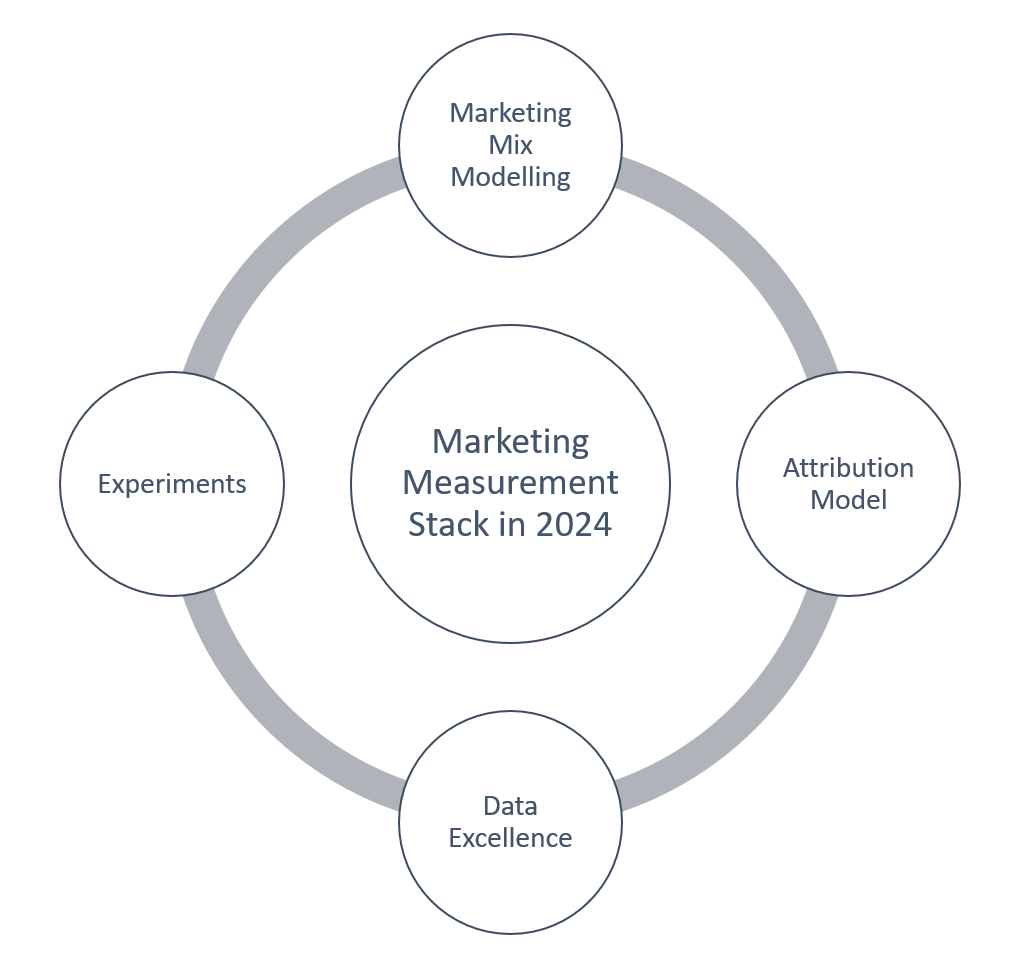
Unified Marketing Measurement = Culture + People + Toolkit + Data + Processes

Marketing measurement done right combines multiple measurement techniques (MMM, experiments, attribution), building a solid data foundation, building internal capabilities and most of all the right culture in the marketing team where testing, learning, getting closer to the truth and iteratively improving are part of their core values.

Only this way the results actually have impact on business. It requires both time and financial investment but effectiveness measurement programs often improve overall marketing results by 15-20%.

For strategic ROI measurement of all channels (online and offline) and for media spend & budget optimization. Scenario pplanning.

For proving incrementality and calibrating other methods. Gold-standard for the most important questions where highest level of evidence is required.

For in-channel comparison and detailed results of digital channels and daily /weekly optimizations by channel specialists.

Marketing data collection, processing and governance to make measurement tools are using high quality data. 

measurement framework

Culture that values testing, learning & improvement. Building internal team capabilities – knowing how to use analytics, understand its strengths and limitations.

Integrating analytics results and insights into business workflows and processes for real impact, not just reporting. 

Measurement Framework

Marketing Mix Modelling

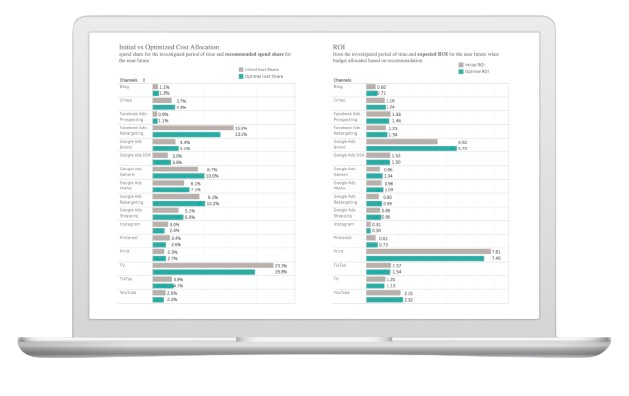
MMM demo results
MMM demo results

MMM  is a holistic way to measure the impact of marketing activities and other factors on revenue, number of acquired users or similar KPI using statistical modelling. Traditionally used by Fortune 500 companies to measure TV, it has undergone major upgrades recently – modern versions are always-on, heavily automated and use AI / machine learning. However, an experienced MMM analyst is still indespensable in most cases to complement the automation.
Budget & ROI optimization
  • Optimal channel budget allocation. Brands actively using MMM for spend optimization typically achieve double digit ROI improvement.
Online and Offline Marketing
  • Search, display, video, social, influencers, TV, OOH and others. Impact of events, external factors and competition.
All Sales Channels
  • Measures impact of marketing on all your sales channels - online and offline. Web, app, marketplaces, own retail stores, retail partners,...
Strategic focus
  • Tool for marketing leaders for overall performance measurement, planning and budget decisions.

Attribution Modelling

Attribution in a laptop scren

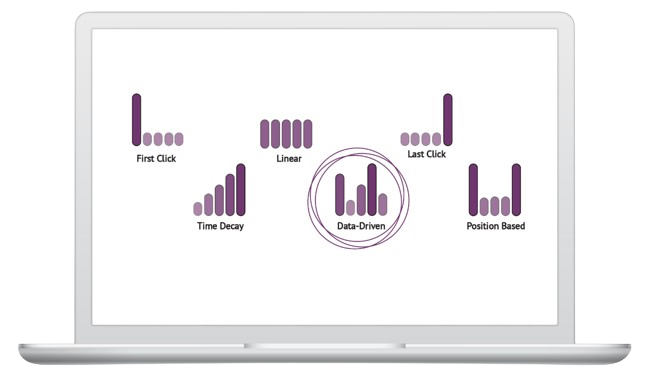
Attribution models are an important tool in digital marketer’s toolbox – they are a complement to MMM and experiments, not their replacement or alternative. They provide the necessary granularity and almost real-time results needed for tactical daily decisions. Modern approaches to attribution include using AI / neural networks, regression based attribution or game theoretic principles. 
Model & Tool selection
  • Choosing the right attribution model and tool for your business. Does it make sense to invest into sophisticated custom attribution or are standard solutions like GA4 DDA actually sufficient?
Application & Consulting
  • Help with change management and incorporating the results into your operational processes in digital marketing - something often overlooked.
Implementation
  • Be it implementation of a 3rd party tool or developing a custom attribution model for your specific needs. Data collection, preparation and processing.
Validating Attribution Model
  • Already have an attribution model in place? But not sure if and when you can trust it and what its limits are?

Tests & Experiments

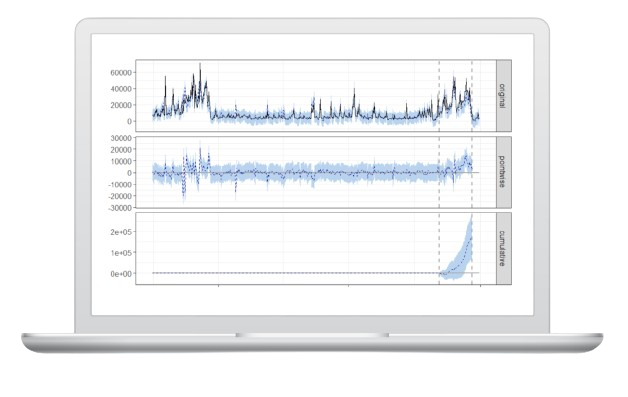
Experiments & Tests help measure the “ground truth” – true incrementality of media channels, specific campaigns or promotions or other changes and interventions – free delivery, change in pricing, changes in distribution etc.

They are used both for incrementality and optimization purposes and their results can be used to calibrate both MMM and attribution models.

They are an indespensable (if often underused) tool for marketing optimization – firms using experiments achieve more effective and efficient advertising programs (as shown in research by J.Runge and H.Nair)
Test & Learn Program
  • Companies often know they should use testing but struggle to translate this into practice. Rely on our experience on how to operationalize successful Test&Learn programs.
Automation
  • For organizations doing tens or hundreds or tests and evaluations, it makes sense to automate large parts of the process - there are ways to do it.
Experiment Design and Evaluation
  • Choosing the right experiment design and tools for evaluation is critical for success. Geo-experiments, user-based tests, synthetic control gourps, time-based tests...we can support you or deliver end-to-end solution.
Training & Consulting
  • Custom training & consulting for your team - Marketing, Commercial, Data & Analytics, BI

Data Excellence

Attribution in a laptop scren
Data quality
  • Data collection, cleaning and transformation to make sure all models and reports are based on rock-solid high fidelity data.
Marketing Data Strategy
  • Making sure you collect and process the data that are valuable for your business in a fully-compliant way. Designing processes and systems to ensure this outcome.
Data Vizualization
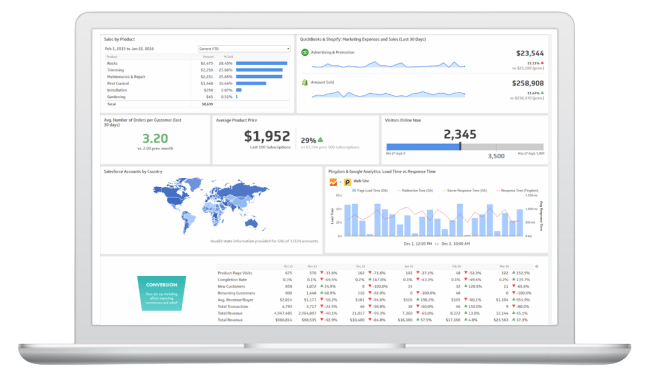
  • Improve decision making with dashboards and reports customized to your needs. Clarity in data presentation and story-telling.
Data Infrastructure
  • Designing and building reliable and secure data infrastructure. Cloud platform infrastructure management.

Let's Talk About 360° Marketing Measurement

Get in touch with Marketingintelligence team.